


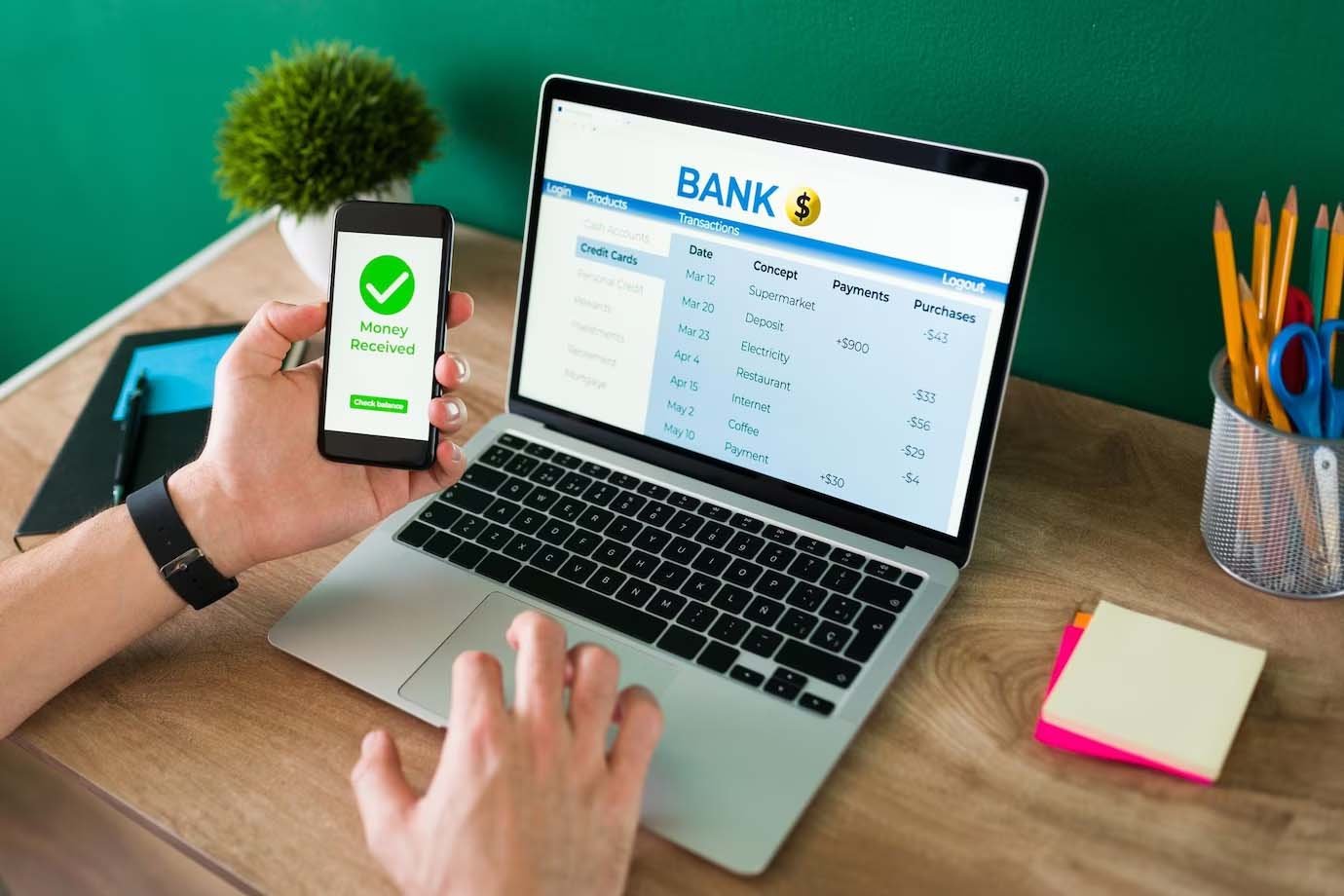
If you’re looking for a checking account, you have many options. With so many different types of accounts available, choosing the right one for your needs can be overwhelming. Here’s a guide to help you decide which checking account is correct.
Table of Contents
- Introduction
- Understanding Checking Accounts
- Factors to Consider
-
- Fees
- Minimum Balance Requirements
- Interest Rates
- ATM Access
- Online and Mobile Banking
- Overdraft Protection
- Account Features and Benefits
- Types of Checking Accounts
-
- Basic Checking Accounts
- Interest Checking Accounts
- Student Checking Accounts
- Senior Checking Accounts
- Joint Checking Accounts
- High-Yield Checking Accounts
- Choosing the Right Checking Account
- Conclusion
- FAQs
1. Introduction
A checking account is an essential financial tool for managing your day-to-day expenses. It allows you to deposit your paychecks, pay bills, and purchase with a debit card or checkbook. However, not all checking accounts are created equal. Different accounts come with different fees, requirements, and benefits. Choosing the right one can save you money and make your financial life more manageable.
2. Understanding Checking Accounts
A checking account is a type of bank account that allows you to deposit and withdraw money on demand. It is designed for frequent transactions, such as paying bills or purchasing. Unlike savings accounts, which are designed for long-term saving, checking accounts typically have lower interest rates.
When you open a checking account, you will receive a debit card and checks to use for transactions. Some accounts also come with online or mobile banking services that allow you to check your balance, transfer money, or pay bills online.
3. Factors to Consider
When choosing a checking account, there are several factors you should consider. These include:
Fees
Many checking accounts charge monthly maintenance fees or transaction fees. Ensure you understand the fees associated with each account you are considering and factor them into your decision.
Minimum Balance Requirements
Some checking accounts require a minimum balance to avoid monthly fees or to earn interest. If you tend to keep a low balance in your account, make sure you choose an account with a low or no minimum balance requirement.
Interest Rates
While checking accounts typically have lower interest rates than savings accounts, some offer higher rates than others. If you want to earn interest on your checking account balance, look for an interest-bearing account.
ATM Access
Make sure the checking account you choose offers convenient ATM access. Check to see if there are ATM fees and whether the bank has an extensive ATM network.
Online and Mobile Banking
Many checking accounts come with online or mobile banking services that allow you to check your balance, transfer money, or pay bills online. Make sure the account you choose offers the features you need.
Overdraft Protection
Some checking accounts offer overdraft protection, which can help you avoid overdraft fees or declined transactions. Ensure you understand how overdraft protection works and whether it is available with the account you are considering.
Account Features and Benefits
Different checking accounts come with different features and benefits. Some accounts offer free checks, free bill pay, or cashback rewards. Consider what features are important to you and choose an account that offers them.
4. Types of Checking Accounts
There are several different types of checking accounts to choose from. These include:
Basic Checking Accounts
Basic checking accounts are no-frills accounts that typically have low or no monthly fees and no minimum balance requirements. They are a good option if you only need a few account features.
Interest Checking Accounts
Interest checking accounts offer higher interest rates than basic checking accounts. They may have higher minimum balance requirements or monthly fees, but they can be a good option if you keep a higher balance in your account.
Student Checking Accounts
Student checking accounts are designed for college students. They typically offer lower fees and minimum balance requirements and may come with other benefits, such as discounts on textbooks or free access to online financial tools.
Senior Checking Accounts
Senior checking accounts are designed for customers over age 55. They may offer higher interest rates, free checks, and other benefits.
Joint Checking Accounts
Joint checking accounts are designed for couples or others who want to share an account. They offer two debit cards and may have higher withdrawal limits, but they also come with the risk of shared liability for overdrafts or other fees.
High-Yield Checking Accounts
High-yield checking accounts offer higher interest rates than traditional ones but may require higher balances or other requirements to earn the interest.
5. Choosing the Right Checking Account
To choose the correct checking account:
- Consider your financial needs and habits. If you keep a low balance, look for an account with no or low minimum balance requirements.
- If you want to earn interest, look for an interest-bearing account.
- If you frequently use ATMs, make sure your account offers convenient ATM access.
It’s also important to compare fees and features across different accounts. Be bold and ask questions and read the fine print to understand the terms and conditions of each account.
6. Conclusion
Choosing the correct checking account can significantly impact your financial life. By considering your needs and comparing different accounts, you can find an account that meets your needs and helps you manage your money more effectively.
7. FAQs
1. What is a checking account? A checking account is a type of bank account that allows you to deposit and withdraw money on demand.
2. What factors should I consider when choosing a checking account? When choosing a checking account, factors include fees, minimum balance requirements, interest rates, ATM access, online and mobile banking, overdraft protection, and account features and benefits.
3. What types of checking accounts are available? Types of checking accounts include basic checking accounts, interest checking accounts, student checking accounts, senior checking accounts, joint checking accounts, and high yield checking accounts.
4. What should I look for in a checking account? When choosing a checking account, look for one that meets your financial needs and offers convenient features such as ATM access, online and mobile banking, and overdraft protection.
5. How can I compare different checking accounts? To compare different checking accounts, consider the fees, interest rates, minimum balance requirements, and account features and benefits of each account.
